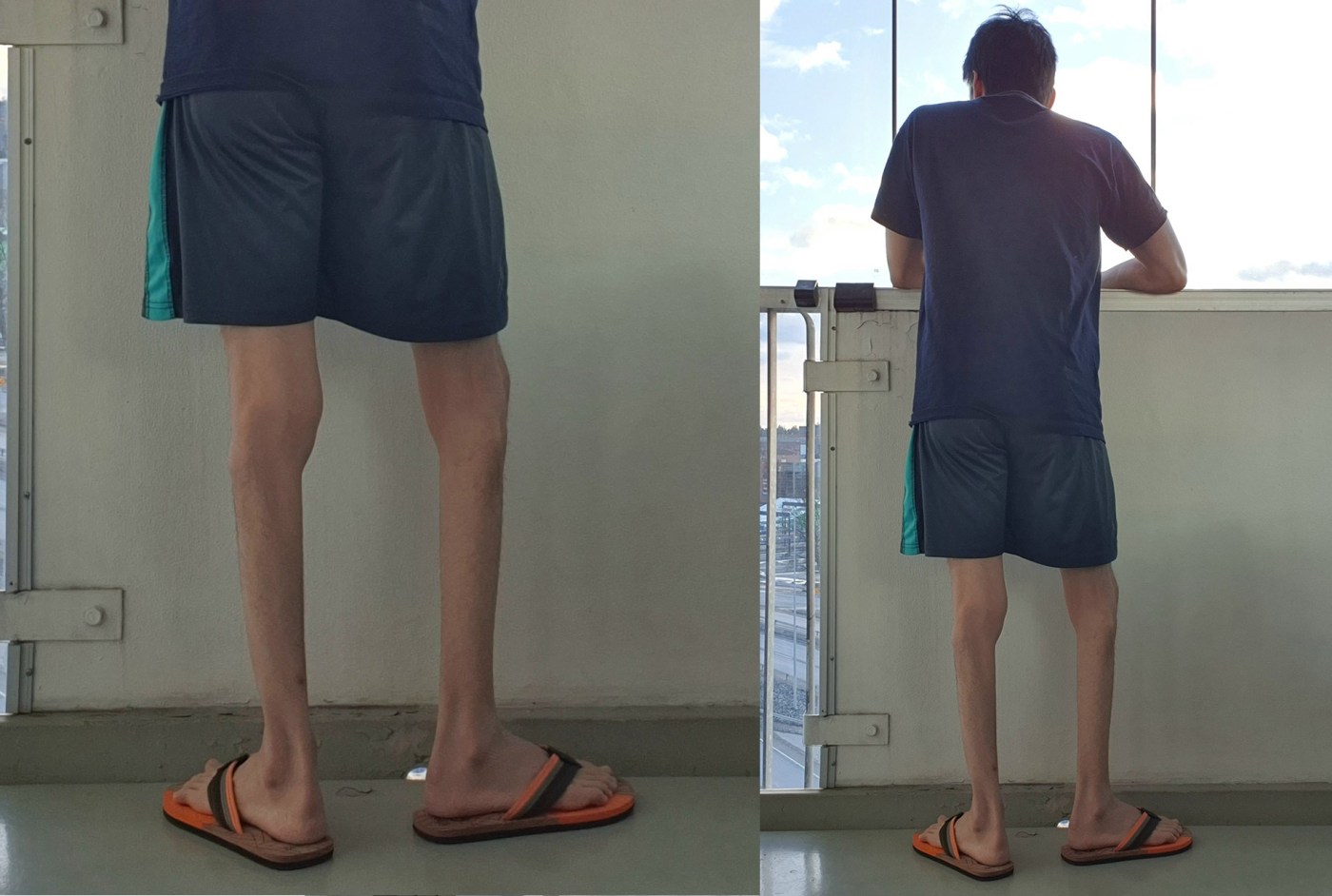
You know how they say you never forget how to ride a bike? Well, I do, every day. Using my muscles –particularly my leg muscles– has been a challenge practically all my life, but even with minimal amount of muscles, you can learn to walk. Only thing is that you have to learn it again and again and again.
Something wasn’t quite right
I remember when I was 6 and trying to tip-toe, only to realise that something wasn’t quite right. My leg muscles weren’t receiving as many impulses as my brain was sending, so feedback from my legs felt off. In spite of this, I didn’t think much of it, because I could still run, play team sports, and tip-toe to reach for things, if even progressively more clumsily. Years went by, and I did the same sports as most of my friends, not to mention I was absolutely crazy about biking. But no matter what I was doing, I was losing a battle (and muscle mass) I had no idea I was fighting: a battle against my genetics.
My bones…were basically hanging by tendons
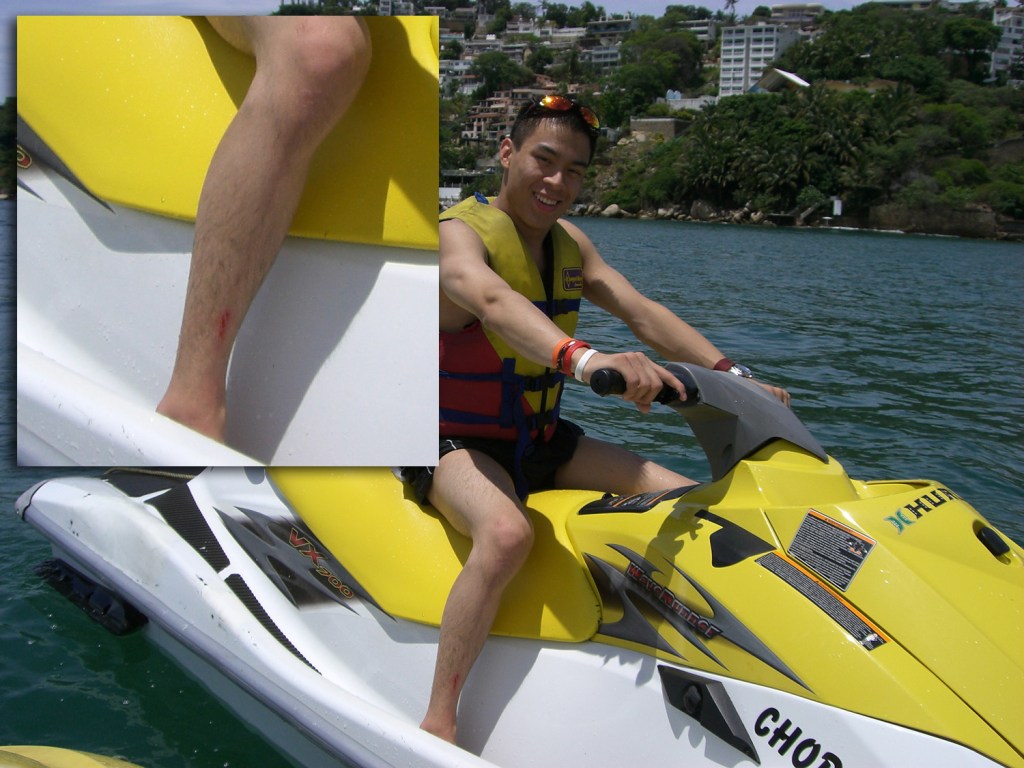
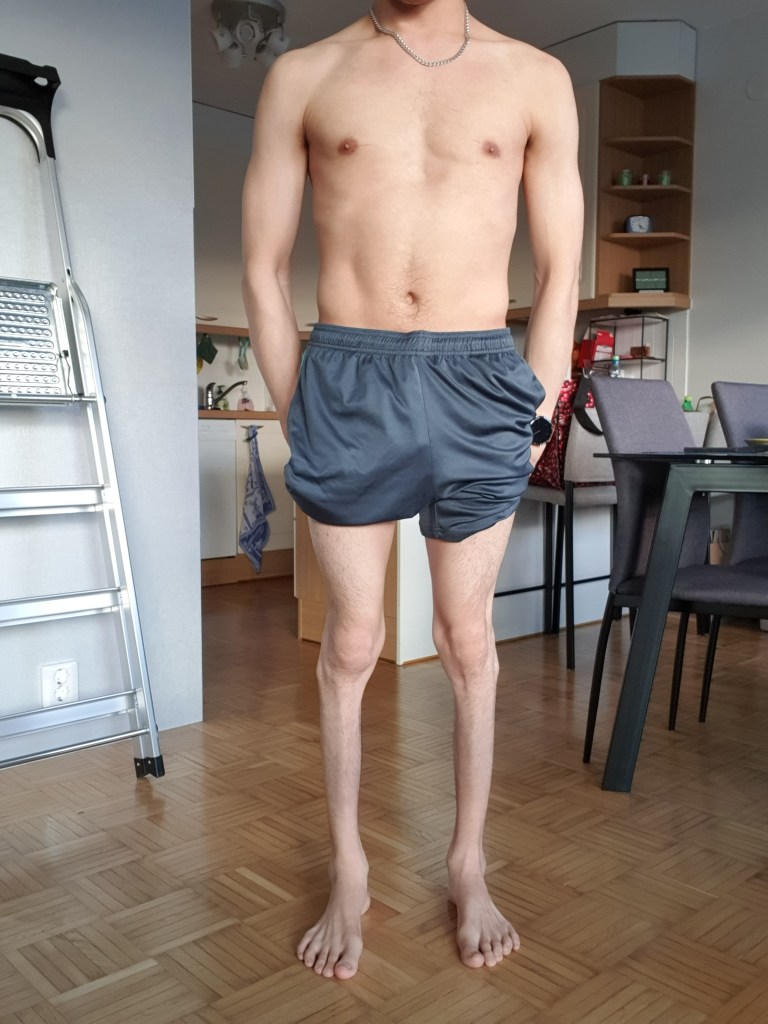
Fast forward to 2011, and I still remember the last time I was able to stand on my toes: I was reaching for a blanket on the top shelf in a wardrobe at our summer cottage. After finishing my bachelor’s degree in 2012, my past caught up with me and put me out of commission for two years, during which depression, social anxiety, panic and psychotherapy dominated my life. During this time, because of mental health issues (=basically no exercise), I lost the little I had left of my calf mucles, and all my bones below my knees were basically hanging by tendons.
People were noticing it already long before all this, but either they were bullying me for it, or giving me unhelpful tips on how to fix it. I stopped wearing shorts altogether, apart from around family and at home, otherwise I have not really been wearing shorts for the better part of 10 years. It took dating a doctor before someone suspected that it was, perhaps, out of my control.
I suffer from a very rare degenerative neuromuscular disease
In mid-2019, my girlfriend (now wife) noticed and commented on how it looked odd for somebody who was active daily and definitely wasn’t a couch potato. I fought back and tried to cover it up like always (self-defence mechanism), but eventually relented and let her write me a referral to have it investigated. In December 2019, I finally had an MRI and ultrasound, nerve conduction studies and blood samples taken for a gene panel.
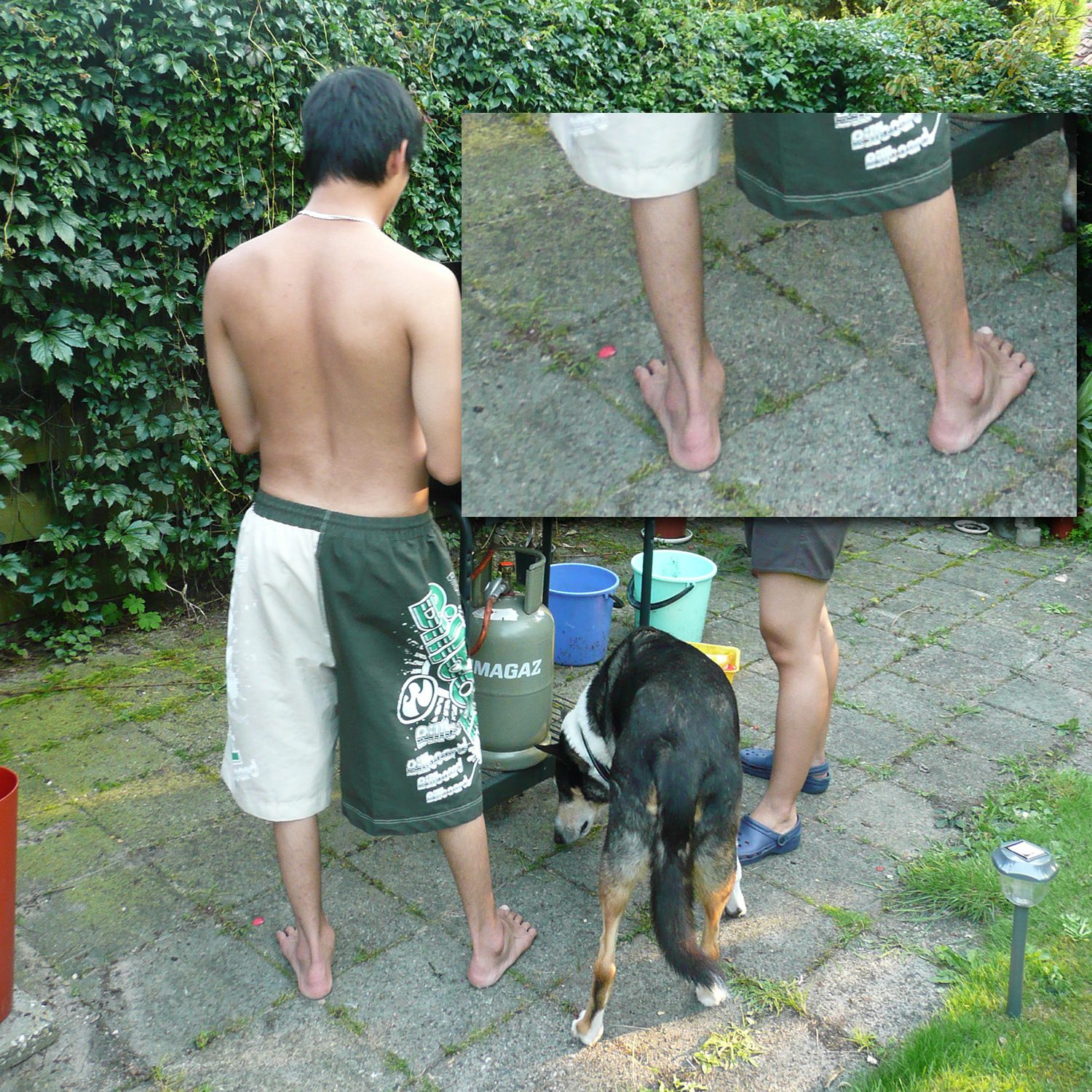
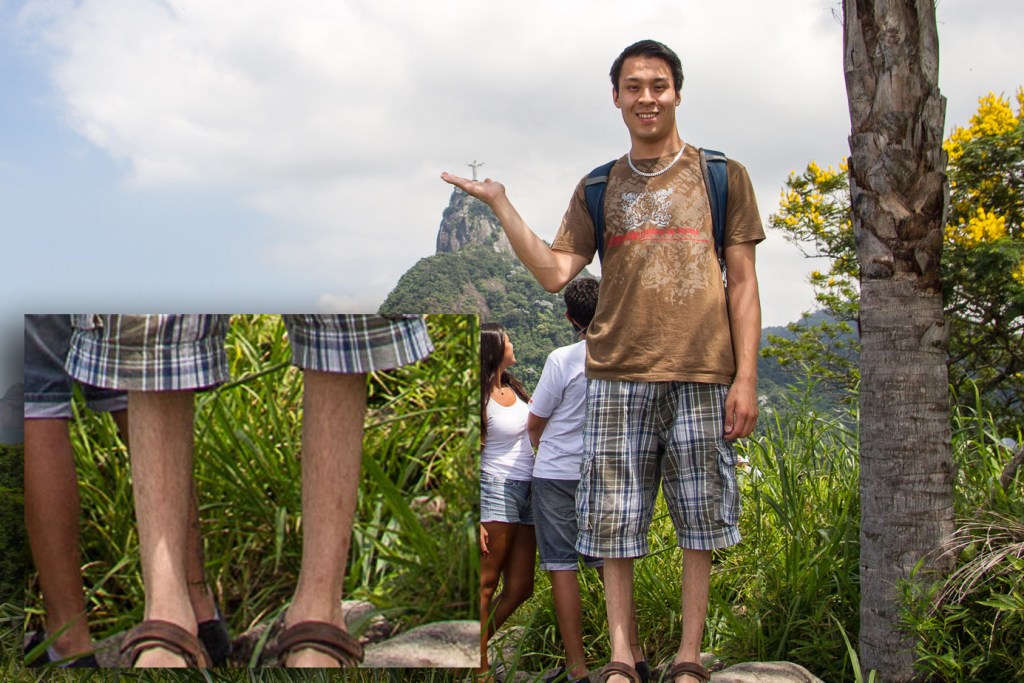
Fast forward again, more than one year later, I have just now received the diagnosis: I suffer from a very rare degenerative neuromuscular disease that falls under the Charcot-Marie-Tooth Type 2, which affects distal (“far from brain”) motor neurons in particular, leading to a progressive muscle atrophy. CMT can be caused by a number of genetic mutations, most of which affect the physical structure of the motor neuron. However, in my case, this genetically inherited disease is caused by an excess build-up of sorbitol in motor neurons.
(It leads) to a progressive muscle atrophy
The protein encoding gene SORD (sorbitol dehydrogenase) that, in my case, has the even rarer mutation c.757delG (p.Ala253GlnfsTer27) is blocking sorbitol from being converted to fructose. This causes an osmotic influx of water and oxidative stress on my motor neurons, which cause similar effects to untreated diabetes. The difference is that I don’t have a problem with the (excess) conversion of glucose into sorbitol, but instead a blocked sorbitol-to-fructose pathway, leading to similar results.
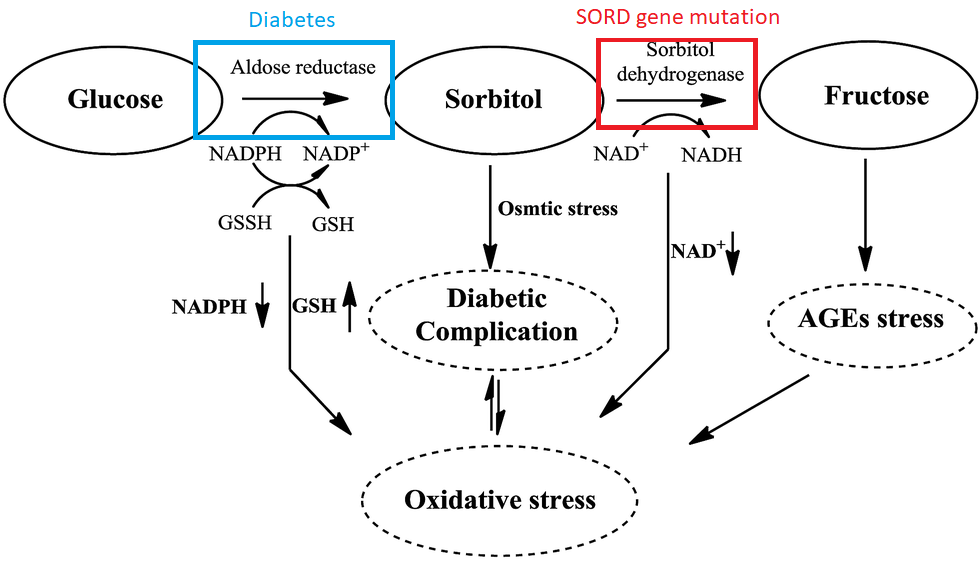
An estimated 5-10 persons per 100 000 suffer from CMT type 1, 2, and 3 combined. Out of these, around 12-36% have CMT Type 2, and out of these, the c.757delG mutation on the SORD gene is rarer, still.
The good news is that:
- The mutation is autosomal recessive, so my children are highly unlikely to inherit the disease (they only become carriers), unless my wife has the exact same SORD gene mutation.
- This is one of the few mutations that are potentially treatable, in that it might be possible to slow down or halt the motor nerve damage using similar methods to diabetes. However, it is unlikely to reverse the damage already caused.
- Research about my particular mutation has surfaced over the past few years (though it is still fairly novel).
I have to think about every single step I take
People have asked me howcome I am otherwise so muscular, and the type of gene mutation is precisely why. The breakdown of motor neurons starts from your distal muscles (far away from your brain) and work themselves towards muscles closer to your brain. It has progressed so that there is now partial upper leg and hand/arm muscle atrophy, but not enough to be visible in my arms, only somewhat in my hands.
Nowadays, I am able to walk, but not run. It is very, very challenging, and I have to think about every single step I take, hence why I cannot even walk very fast (combined with muscle weakness). It is also very heavy on my knees, so I injure them easily, and I will probably wear them out prematurely too. Untreated, my mobility would become significantly affected. Hopefully we can find some treatment for this, but even if not, I do have a loving wife now, so I am no longer fighting this battle alone!
Further reading:
Evaluation of SORD mutations as a novel cause of Charcot-Marie-Tooth disease – PubMed (nih.gov)
SORD Gene – GeneCards | DHSO Protein | DHSO Antibody
Diseases – CMT – Types of CMT2 | Muscular Dystrophy Association (mda.org)
Research Ongoing Into Newly Identified CMT Subtype Tied to SORD Gene (charcot-marie-toothnews.com)
 Finntrovert