
As humans, there’s nothing so recognisable as human suffering. We go through our lives with a constant bombardment of challenges, battles and misery, while trying to find those small oases of calmness in between. The extent of our perceived suffering depends entirely on circumstances, perspectives, and prior experiences. The sorrows of a child who’s lost his or her favourite toy may, to that child, seem insurmountable, just like the feelings of a child in a war-torn country who has lost their home. This extends to adults too; there’s no one universal unit or measurement of suffering, and I think this is worth remembering when we all go through life’s difficulties.
It’s important to bear in mind that not everyone has the same starting point

All my life, I’ve been told things such as “consider yourself lucky you weren’t left at the orphanage”, “you should be happy you have at least this and that”, and “there are people who have it way worse”, etc. Objectively, all of this may be true, but we as humans are not objective, rational beings. We first and foremost default to subjective interpretations before anything else, and in our own world, we’ve already defined our own measurement of suffering. Granted, that definition may change over a lifetime, but that’s seldom as a result of being told by others that your scale is off by a thousand miles. Usually, it’s a gradual process that happens over a lifetime of struggles, lessons, insights, and revelations.
Now, in an ideal world, every human being would be born into a warm, loving family, without poverty, war, famine or political unrest. But as that’s not the case, it’s important to bear in mind that not everyone has the same starting point, hence the measurements of suffering will, as a result, start out looking and feeling different to everyone. I can, of course, only speak for myself, but I do think that my beginnings severely whacked my scale out of alignment, as compared to my average peers. Again, this is not a comparison of who suffers the most, but it’s important to remember that your prior experiences will determine how you respond to future adversities. People who live in a country with frequent earthquakes won’t be as alarmed as those who have never experienced an earthquake before.
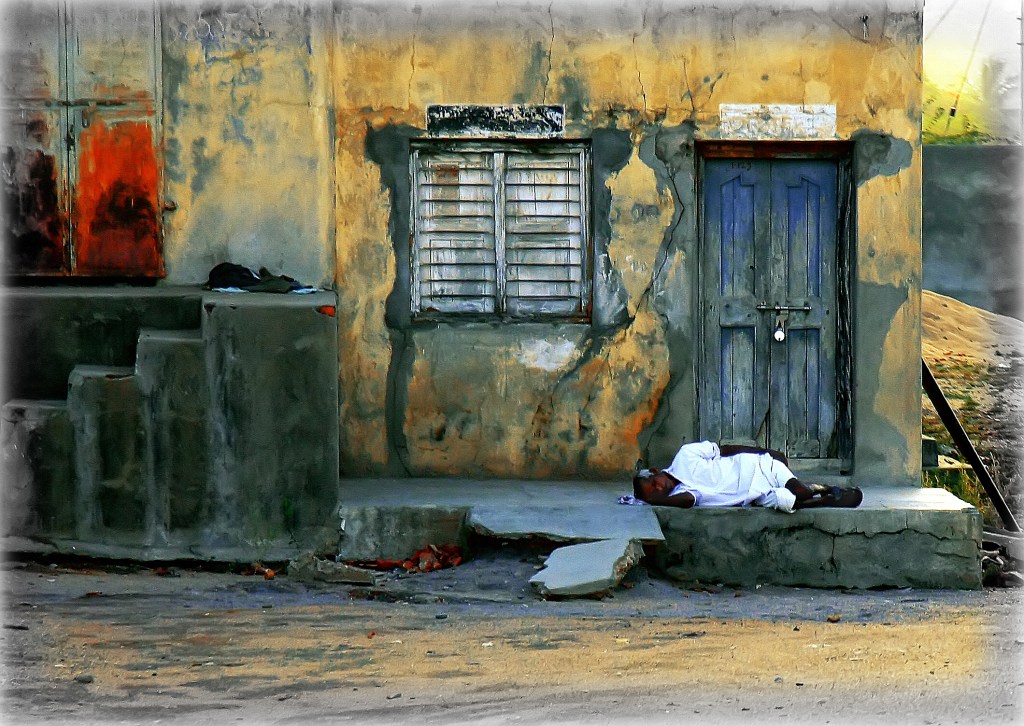
It’s in the midst of all that pain, that even the smallest glimpse of hope shines brighter than a million stars
And this is where I think my past experiences do shine. I understand loss, I understand what it means to be deprived of your most basic needs, and I understand what it’s like to feel like you have to earn the air you breathe. So you might start understanding why it hurts when people try to teach me about the suffering I’m already profoundly aware of, and when they insinuate that I’m not grateful for what I have. If anything, due to my past, I’m extremely thankful I’m even still alive and breathing, because not a day goes by that I’m not aware of how differently my life could have been and how close it has come to being lost at various times in my life.
So, let me just make it clear to everyone: I love my life. I have come to appreciate that my early years didn’t start out as rosy as those of most of my peers, as it’s taught me early on the true value of what I do have left. While I’m not immune to often being overwhelmed by life’s challenges, I don’t consider myself having a worse life than anyone else. Au contraire, I understand that struggles, suffering and sorrow are part of life, and it’s in the midst of all that grief, that even the smallest glimpse of hope shines brighter than a million stars.

 Finntrovert
Leave a comment